
I remember the first time I checked a casino homepage and spotted a tiny logo at the bottom pointing to a regulatory body I had never heard of. It meant nothing to me then. Over time I learned that those tiny badges carry enormous weight, casino twin, separating platforms that function under strict supervision from those that answer to no one. The real story of casino licensing is not glamorous, but it determines whether your funds are protected, whether games generate fair results, and whether you have any redress if something goes awry. Grasping this mechanism changed how I assess every operator I visit, such as the one you are learning about now.
Why a permit is the only true protection
Numerous gamblers believe a flashy website or a huge promotional budget suggests credibility. That is not the case. The single trustworthy marker is a valid licence granted by a recognized authority that ensures adherence through audits, sanctions, and the power to withdraw business permits. A license forces the operator to isolate player funds from business accounts, signifying your funds is not regarded as company revenue that can be spent on payroll or advertising. It also requires external auditing of every game outcome. Without a licence, you are basically entrusting cash to an organization with no legal obligation to disburse prizes, safeguard your information, or even ensure the site functions tomorrow.
The protective systems that protects your data
Certification demands technical measures that go far beyond a lock symbol in the browser. SSL encryption must safeguard all data in transit between your device and the server. Payment card information must be masked or handled exclusively by PCI-DSS compliant processors, ensuring the casino’s own database never stores your full card number. Account access should offer two-factor authentication, and login attempts must be restricted to prevent brute-force attacks. The platform must also keep logs of every account action—logins, deposits, wagers, game results, withdrawals—in a tamper-evident format that regulators can audit. These requirements are not theoretical; a security audit is part of the licensing process and is repeated periodically. The result is that your personal and financial data enjoys protections comparable to those at a bank.
Payment processing under a supervised framework
Authorization directly affects how your money flows. Licensed operators must use authorized payment providers that themselves follow anti-money-laundering rules. This means the deposit methods you see—Visa, Mastercard, Skrill, Neteller, bank transfers, and increasingly instant bank payment solutions—are integrated through channels that verify transaction authenticity. Withdrawal times are not arbitrary either. A authorized platform must process requests within a specified window, though the exact speed varies by the method selected. E-wallet payouts often finish within 24 hours once authorized, while card withdrawals may take three to five business days. The key point is that a license compels the operator to pay verified winnings within a fair timeframe, and the regulator will investigate if patterns of delay emerge.
The ID check you must not avoid
I once considered Know Your Customer checks annoying until I realized their purpose. A licence obligates that the operator authenticate your identity, age, and address before processing significant withdrawals. This is not a stalling tactic; it is a legal requirement designed to prevent underage gambling, identity theft, and money laundering. You will usually have to upload a government-issued ID, a recent utility bill or bank statement showing your address, and sometimes a photo of the payment card you used, with certain digits obscured for security. The smartest approach is to submit these documents immediately after registering rather than waiting until you request a withdrawal. Operators with efficient compliance teams can approve documents within hours, meaning your first cashout proceeds without the extra wait that frustrates so many players.
The watchdogs that actually matter
Not every licence hold the same value. Malta’s gaming regulator has established a name for thorough regulation while remaining practical for operators serving international audiences. Their application process alone can extend beyond a year and entails background checks on all ultimate owners, software audits, and proof of sufficient capital reserves. The UKGC goes a step beyond, fining operators millions for compliance failures and revealing the names of those who breach rules. Curacao’s licensing body, by contrast, provides a more lenient system with lower fees and fewer ongoing obligations. When I visit a site, I look for MGA or UKGC badges in particular because these authorities have shown they will take firm action when quality drops, safeguarding users in ways a Curacao licence on its own cannot provide.
What occurs when a licence is broken
Regulators release enforcement actions, and reading them is educational. Fines can amount to seven or eight figures for major failings connected with anti-money-laundering checks or irresponsible marketing. In drastic cases, a licence is paused or revoked fully. When that happens, the operator must stop accepting new players at once and must often return funds to existing customers under supervision. I have tracked cases where player complaints about delayed withdrawals triggered an investigation that uncovered deeper solvency issues, causing licence revocation and a mandated repayment plan. This enforcement mechanism is the definitive backstop. It is why I will only put money on a platform where the regulator has a public record of taking substantial action, because that record demonstrates the oversight is actual rather than superficial.
Comprehending the house edge without needing a maths degree
Authorised games publish their theoretical return to player, but that figure alone may deceive. A slot with 96% RTP means the house keeps 4% over an enormous number of spins, but your individual session can differ wildly from that average. Table games offer more predictable short-term results because the house edge is fixed per round. European roulette with a single zero offers the house a 2.7% edge on most bets, while American roulette with its double zero nearly increases that to 5.26%. Blackjack played with perfect basic strategy can reduce the house edge below 1% depending on the specific table rules. Knowing these numbers assists you choose games where your bankroll lasts longer, and a licence confirms the numbers are real rather than marketing claims.
The bonus terms that licensing forces into the open
Every welcome offer seems generous until you review the fine print. A regulator requires that fine print to be present and be accessible before you deposit. Wagering requirements, game contribution percentages, maximum bet limits during bonus play, and time restrictions must all be revealed in plain language. I have encountered operators licensed in strict jurisdictions forced to simplify their terms after regulators considered them misleading. A typical offer might match a deposit match with free spins, but the real value hinges on whether the wagering multiplier is 25x, 35x, or 45x the bonus amount, and whether certain games contribute 100% or only 10% toward meeting that requirement. Licensed platforms must also clearly specify any winnings caps attached to no-deposit offers, avoiding the nasty surprise of hitting a big win you can never actually take out.
Gambling safety features that a licence mandates
Any company holding a valid licence must provide a range of tools that allow you regulate your expenditure and time. Deposit limits can be adjusted daily, weekly, or monthly, and decreasing a limit must apply immediately while raising one starts a cooling-off period. Session time reminders show at intervals you select, and reality checks show your net position over the current session. Self-exclusion options must be visible and working, allowing you to restrict access for six months, a year, or permanently. The operator is also expected to refer to independent support organizations and to educate support staff to recognize problematic behaviour patterns. These features are not optional add-ons; a regulator will revoke a licence if the tools are tucked in menus or cease to work as described.
Steps to verify a licence statement for you
An operator can show a regulator’s logo without permission. I have seen unlicensed sites do precisely that. The exclusive means to be certain involves verify the regulator’s public register. For the Malta Gaming Authority, you visit their website, browse the licensee database, and confirm the URL corresponds and the licence status is listed as active. The UK Gambling Commission offers a similar public register searchable by name or licence number. A legitimate operator will also feature a clickable seal that links directly to their entry on the regulator’s site. If the seal is a static image, if the link leads nowhere, or if the licence number is absent in the official database, you must not deposit a single cent. This check needs two minutes and is the most valuable habit any player can build.
Why customer support quality indicates licensing standards
A regulator demands the operator to provide competent support channels that can resolve disputes before they advance to the regulatory body. This means live chat should be available during reasonable hours, email responses should arrive within a stated timeframe, and agents should have ability to transaction logs and game histories to investigate specific complaints. When I assess a platform, I ask support a concrete question about withdrawal timeframes or bonus terms and observe whether the answer is specific or evasive. A licensed operator trains staff to give precise information because vague promises can form a compliance violation if a player later objects to the regulator. The support team is effectively the first tier of the dispute resolution process, and their competence or lack thereof reveals you a great deal about how seriously the operator takes its obligations.
Real-time casino and the further level of licensing scrutiny
Real-time dealer games incorporate real studios, actual cards, and human croupiers into the equation, which multiplies the regulatory requirements. The studio itself must hold a distinct license or operate under the platform’s present permit with additional inspections. Cameras need to capture every angle without blind spots, cards must be changed regularly, and wheels must be tested for balance. The game presenter adheres to strict procedures: they are not allowed to touch chips once bets close, and every action is recorded against a digital record of wagers placed. When you play live blackjack or roulette on a licensed site, you are viewing a stream from a facility that undergoes physical audits equivalent to those of a land-based casino pit. This is why live dealer games from Evolution or Pragmatic Play Live appear on regulated platforms almost exclusively.
The way a licence shapes the games you end up playing
A licensed operator cannot simply upload any slot or table game they find. Each title must originate from a studio that itself holds certifications from independent testing agencies like eCOGRA, iTech Labs, or GLI. These labs confirm that the random number generator system delivers truly unpredictable outcomes and that the advertised RTP corresponds to reality over millions of test spins. This matters concretely: a slot promising 96% RTP must provide around that rate over its lifetime, and the testing body verifies this. Unlicensed operators often manipulate these numbers. On a properly licensed site, the game portfolio generally includes titles from well-known studios such as NetEnt, Pragmatic Play, Play’n GO, and Evolution, precisely because those providers will not supply unregulated operators.
The gaming sections you should anticipate seeing
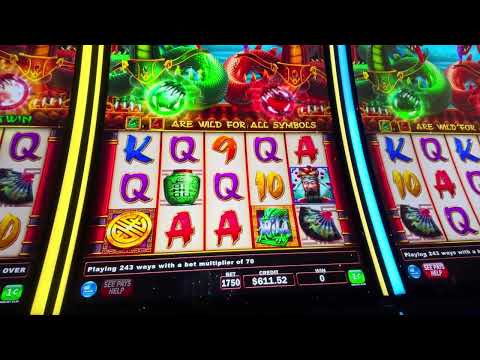
A fully licensed platform commonly structures its library into clear categories that assist you in browsing without endless scrolling. Slots dominate numerically, often subdivided into classic three-reel games, video slots with bonus features, and progressive jackpots where the top prize grows with every wager across the network. Table games constitute the next mainstay: multiple variants of blackjack, roulette, baccarat, and casino poker, each with slightly different rules that influence the house edge. The live casino section streams these same games with real dealers. Some platforms also offer a sports betting module, integrating pre-match and in-play markets alongside the casino offering. The unifying thread is that every game in every category comes from a certified provider, and the operator cannot alter the underlying mathematics.
Mobile accessibility and the technical requirements licences require
A licence does not just govern money and fairness; it encompasses technical reliability. Regulators demand that games work the same across devices, that session logs are preserved, and that the platform can reproduce any disputed round in its entirety. For you, this translates into a practical expectation: the same game library should be present whether you access the site through a mobile browser, a dedicated app if one is available, or a desktop computer. The interface adjusts to touch controls, and the cashier manages deposits and withdrawals through the same secure channels regardless of screen size. If a game loses connection mid-round, the server must capture the exact state so your balance is correctly updated when you log back in. These are not luxuries; they are compliance requirements that shield you from technical failures resulting in real money.
Managing country restrictions without frustration
A licence carries territorial limitations. An MGA licence permits operators to accept players from many countries but specifically prohibits others where local laws conflict or where the regulator has not established mutual recognition agreements. You may come across a message stating that registration is unavailable from your location. This is not arbitrary discrimination; it is the operator complying with licence conditions that carry severe penalties if breached. The practical step is to check the terms and conditions page for a list of restricted territories before attempting to sign up. If your country appears on that list, no VPN workaround will help because the verification process will ultimately require proof of address in an eligible jurisdiction, and attempting to circumvent these restrictions can result in permanent account closure and forfeiture of any balance.
What genuinely sets a fully licensed experience apart
Beyond the regulatory framework, the daily experience on a properly licensed platform reveals itself in small but growing ways. Games load rapidly because the operator puts money in server infrastructure that must meet uptime standards. Promotions arrive with clear, concise terms that do not require a lawyer to interpret. Withdrawal requests move forward through their stages with status updates visible in your account. The game library refreshes regularly as providers release new titles and the operator’s compliance team authorizes them. These qualities are not accidental; they come directly from the operational discipline that a strict licence demands. When I visit a site like Twin Casino, I am looking for exactly these signals: the visible evidence that the licensing framework has molded every aspect of the operation from the ground up, creating an environment where I can center on entertainment rather than concerned about whether the rules will be upheld.
Leave a Reply